
Many people visit a doctor only when they notice symptoms. However, certain health conditions, including high blood pressure, diabetes and high cholesterol, may develop without obvious warning signs. Appropriate screening can help identify some of these conditions before symptoms appear.
A full body checkup may help identify certain health risks or conditions early. However, its benefits depend on which tests are performed and whether they are appropriate for the individual. Understanding what a checkup includes can help you make informed decisions about your health.
A full body checkup is a set of screening tests that gives a snapshot of your overall health. It helps detect problems early, when they are easier to manage, and gives your doctor a baseline to compare against in future. For busy Pune residents, from IT professionals in Hinjewadi and Kharadi to homemakers and retired seniors, it is one of the most practical steps towards long-term health.
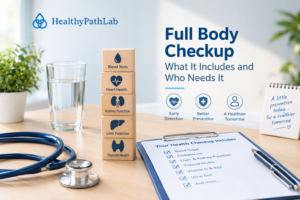
What Is a Full Body Checkup?
A full body checkup (also called a master health checkup or preventive health package) is a group of tests that screens major organs and body systems. It usually includes blood tests, a urine test and sometimes imaging such as an ECG, chest X-ray or ultrasound. Despite the name, it does not test for every possible disease. It is a screening tool, and your doctor may advise further tests based on the results.
Tests Commonly Included in a Basic Checkup
1. Complete Blood Count (CBC) Measures haemoglobin, red and white blood cells and platelets. It helps detect anaemia, infections and some blood disorders.
2. Blood Sugar Tests (Fasting Sugar and HbA1c) Screen for diabetes and prediabetes. HbA1c shows your average sugar control over roughly three months.
3. Lipid Profile Measures total cholesterol, LDL, HDL and triglycerides, which help assess your risk of heart disease.
4. Liver Function Test (LFT) Checks enzymes and proteins that show how well your liver is working. Useful in cases of fatty liver, alcohol use or certain medicines.
5. Kidney Function Test (KFT) Includes creatinine, urea and uric acid. Helps detect early kidney problems and high uric acid levels linked to gout.
6. Thyroid Profile (TSH, T3, T4) Screens for underactive or overactive thyroid, which can affect weight, energy, mood and menstrual cycles.
7. Vitamin D and Vitamin B12 Vitamin D and vitamin B12 support important functions in the body, including bone health and normal nerve function. Testing may be appropriate when symptoms, dietary patterns, medical conditions or other risk factors suggest a possible deficiency. Not everyone needs routine testing, so discuss your individual needs with your doctor.
8. Urine Routine and Microscopy Can reveal urinary infections, kidney problems and signs of diabetes.
9. Electrolytes and Calcium (in many packages) Help assess hydration, kidney function and bone health.
Additional Tests in Advanced Packages
Depending on your age, family history and symptoms, a more comprehensive package may include:
* ECG or 2D Echo and treadmill test (TMT) for heart health
* Chest X-ray for lungs and heart size
* Ultrasound of the abdomen to check the liver, gallbladder, kidneys and pancreas
* Cardiac risk markers such as hs-CRP, homocysteine and Lipoprotein(a)
* PSA for prostate screening in older men, as advised by a doctor
* Pap smear and mammography for women, as advised by a doctor
* Iron studies, ferritin and calcium profile
* Stool occult blood for colon screening in older adults
Health Screening at Different Ages
The health checks you need depend on your age, medical history, family history and individual risk factors. Rather than choosing a package based only on age, consult your doctor about appropriate screening tests.
Young Adults: A doctor may recommend checks such as blood pressure measurement or blood sugar and cholesterol testing based on individual risk factors and medical history.
Adults in Their 30s and 40s: Screening may include blood pressure, diabetes and cholesterol checks, depending on personal risk and previous results. Other tests may be recommended when medically appropriate.
Adults Aged 50 and Above: Discuss age-appropriate screening, including colorectal cancer screening and other checks relevant to your health history. Additional tests should be selected according to individual needs and medical advice.
Who Should Get a Full Body Checkup?
A regular checkup is especially valuable if you:
* Have a family history of diabetes, heart disease, thyroid disease or cancer
* Lead a sedentary lifestyle or work long desk hours
* Smoke, drink alcohol or have an irregular diet
* Are overweight or have high blood pressure
* Experience unexplained fatigue, weight change or frequent infections
* Are over 40 years of age
* Are planning a pregnancy, marriage, a new job or travel abroad and need baseline tests
How Often Should You Get a Full Body Checkup?
There is no single testing schedule suitable for everyone. Healthy adults may need different screening intervals depending on their age, medical history and risk factors. People managing ongoing health conditions may require more frequent monitoring, as advised by their doctor.
Before booking a package, ask your healthcare professional which tests are appropriate and when they should be repeated. More tests do not necessarily mean better healthcare.
How to Prepare for Your Checkup
* Fast for 8 to 12 hours, with water allowed, since most packages include sugar and lipid tests.
* Take only essential medicines as advised by your doctor and tell the lab about all supplements.
* Avoid alcohol for 24 hours and heavy exercise on the morning of the test.
* Wear comfortable clothing with sleeves that roll up easily.
* Carry previous reports, as they help doctors compare changes over time.
* Book a morning slot so you can eat soon after your sample is collected.
Understanding Your Report
A reading outside the reference range does not always mean disease. Values can vary because of stress, recent illness, diet or medicines. Share all your reports with your doctor, who will interpret them in light of your age, symptoms and history. Keep digital copies and bring them to every checkup so trends are easy to spot.
Are Packages Better Than Individual Tests?
A health checkup package can be convenient and may cost less than booking individual tests. However, packages vary in their contents, and a larger package is not necessarily better. A package cannot guarantee that every possible health condition will be detected or that all your individual screening needs will be covered.
Before choosing a package, compare the included tests and discuss your needs with a healthcare professional. Select tests based on your age, medical history and risk factors rather than price or the number of tests advertised.
Frequently Asked Questions
Q1. Does a full body checkup detect cancer? Not completely. It includes some screening tests, but cancer detection needs specific tests based on age, gender and risk. Talk to your doctor about appropriate screening.
Q2. How long does it take to get the reports? Blood and urine reports are generally ready within 24 hours. Imaging tests and special tests may take a little longer.
Q3. Can I get a checkup done at home? Blood and urine samples can be collected at home. Tests such as ECG, X-ray and ultrasound require a visit to the centre, or specific arrangements.
Q4. Is a full body checkup necessary if I feel healthy? Yes. Screening is meant for people without symptoms, because many conditions are silent in the early stages.
Plan Your Checkup with HealthyPathLab
Choosing the right health checkup starts with understanding your individual needs. HealthyPathLab is a diagnostic laboratory brand concept designed to help people learn about preventive health screening and common diagnostic tests.
Before selecting a health checkup package, review the tests included and consult a qualified healthcare professional about which screenings are suitable for you. Making informed decisions about preventive healthcare can help you take a more proactive approach to your well-being.
Disclaimer: This article is for general informational purposes only and does not replace professional medical advice. Consult a qualified healthcare professional to determine which tests are appropriate for you.